Why is this excruciatingly painful chronic illness not visible?
Words, audio and images by Ella Kinrade.
Content Warning: This story discusses endometriosis and adenomyosis and contains images that some readers might find disturbing.
“It’s not a reproductive disease. It's a whole body disease.”
How would you feel being told that pain and symptoms your experiencing are in your head? To then find you might have a common chronic illness.
When she was appointed in 2021, Nikki Campbell became Victoria’s first endometriosis nurse coordinator in Victoria and discussed with me the barriers finding support for endometriosis and adenomyosis, even though both diseases are common.
“It’s historically been seen as a women's issue and I think that's been part of the problem, but we're now learning and understanding more of that. The problem is everywhere.” Ms Campbell said.
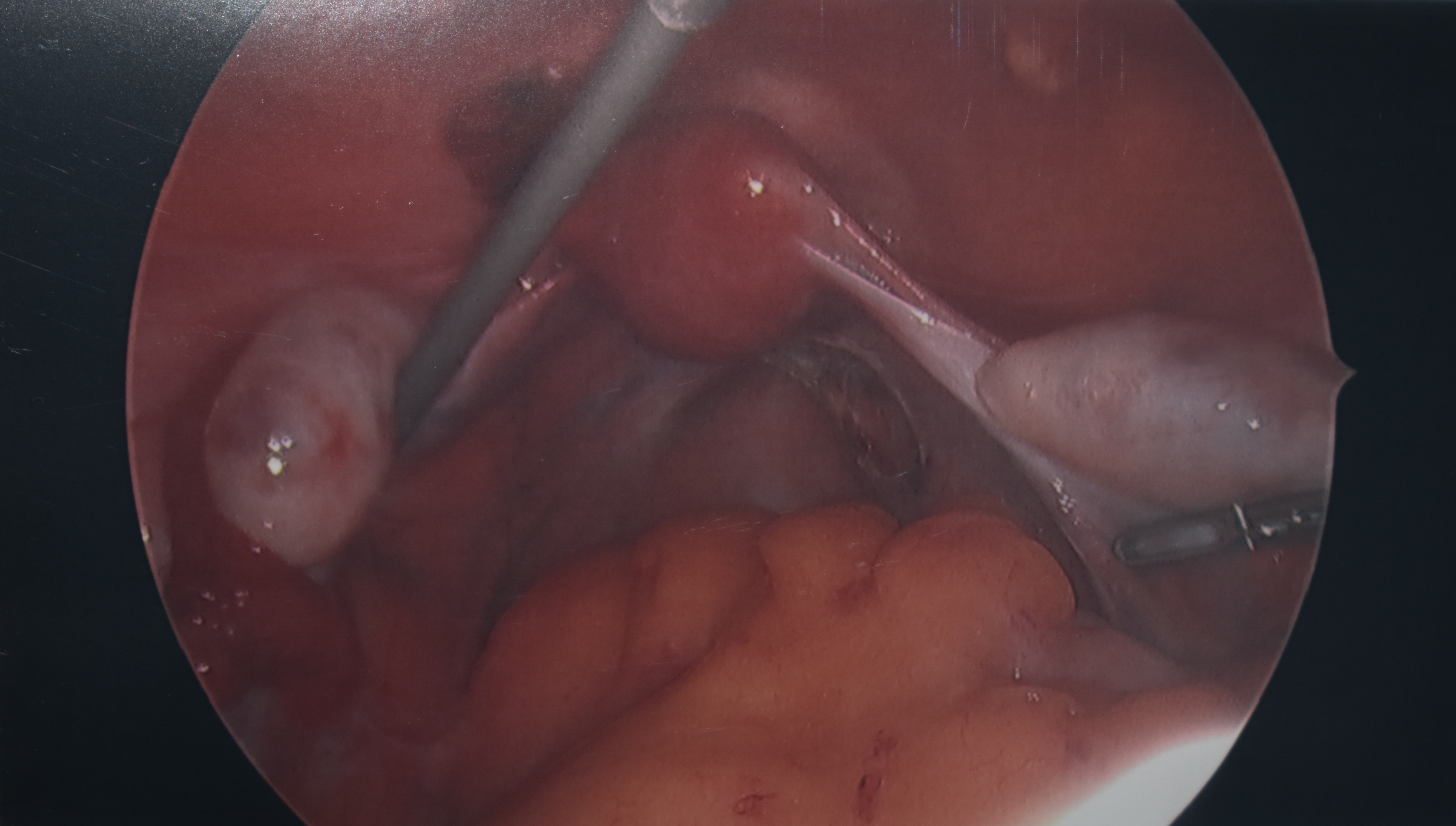
Many people end up having a hysteroscopy and laparoscopy to diagnose endometriosis or look for signs of adenomyosis. Photo: Ella Kinrade
Endometriosis has been found in every organ of the body. “People assume that it's like a painful period condition, but it's actually a systemic condition. It's chronic, it's inflammatory and the second most common symptom after pain is fatigue.” Ms Campbell said. Therefore, it becomes a difficult condition to diagnose, due to the variety of presenting symptoms.
Meanwhile adenomyosis invades into the muscle wall, which causes pain symptoms and abnormal bleeding. “The uterus can become enlarged and bulky because of the actual presence of those lesions within the muscle, and then that becomes painful.” Ms Campbell said.
Nikki Campbell works at the Julia Argyrou Endometriosis Centre at Epworth, running a nurse led clinic for patients needing care who have suspected or known endometriosis. “So, either they're looking to get diagnosed and they don't kind of know what the next steps are. Or maybe they've not had a good experience or not been able to get linked in with the right people.” She also helps those diagnosed with symptom management and links them in with other supports.
Research has identified many factors involved in diagnostic delay including - ‘a lack of non-invasive testing, dismissive attitudes toward symptoms and a lack of awareness of endometriosis generally.’ Often patients have numerous medical appointments, and sometimes see multiple doctors before getting answers.
“That's why we need initiatives like Periods, Pain and Endometriosis Talk (PPEP Talk), who are speaking to that adolescent cohort of patients and giving information that these symptoms are not normal. If you're experiencing this, this is not normal. You can get help now,” Ms Campbell said.
A big aspect of both endometriosis and adenomyosis is misunderstanding and being dismissed. We need to debunk the myths about endo like having a hysterectomy or pregnancy to cure it. Ms Campbell frequently sees “people put up with symptoms for too long because they've been told this is just what someone has to deal with. This is just period pain. I see that all the time.”
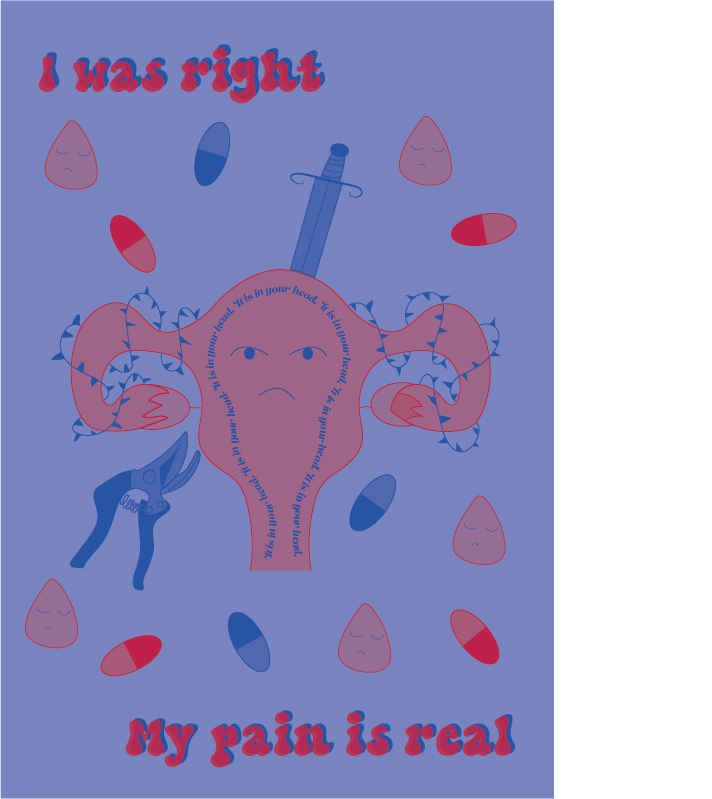
Often people experiencing endometriosis or adenomyosis are dismissed for their symptoms. Illustration: Ella Kinrade
“Endometriosis is as prevalent as asthma and cardiac disease and is twice as prevalent as diabetes.”
Although the disease is common, it is increasingly difficult to access any support due to the decrease in government funding for endometriosis from $87.19 million in 2018 to $58.1 million in 2022. Other barriers include being able to see appropriate specialists, as well as just getting into see a GP (because of shortages) for a referral. This is one of the reasons why Ms Campbell’s role is so important.
To access Ms Campbell’s Epworth clinic, “You don't need a referral so you can self-refer. So, whilst the patients will need a Medicare referral after they've seen me to see a gynaecologist, they will also have a letter of support or referral from me.”
The clinic Ms Campbell runs is free, so there are no financial barriers for people experiencing these conditions. As Armour discovered, ‘the average person with endometriosis has an associated cost of illness burden roughly $30,000 per year.’
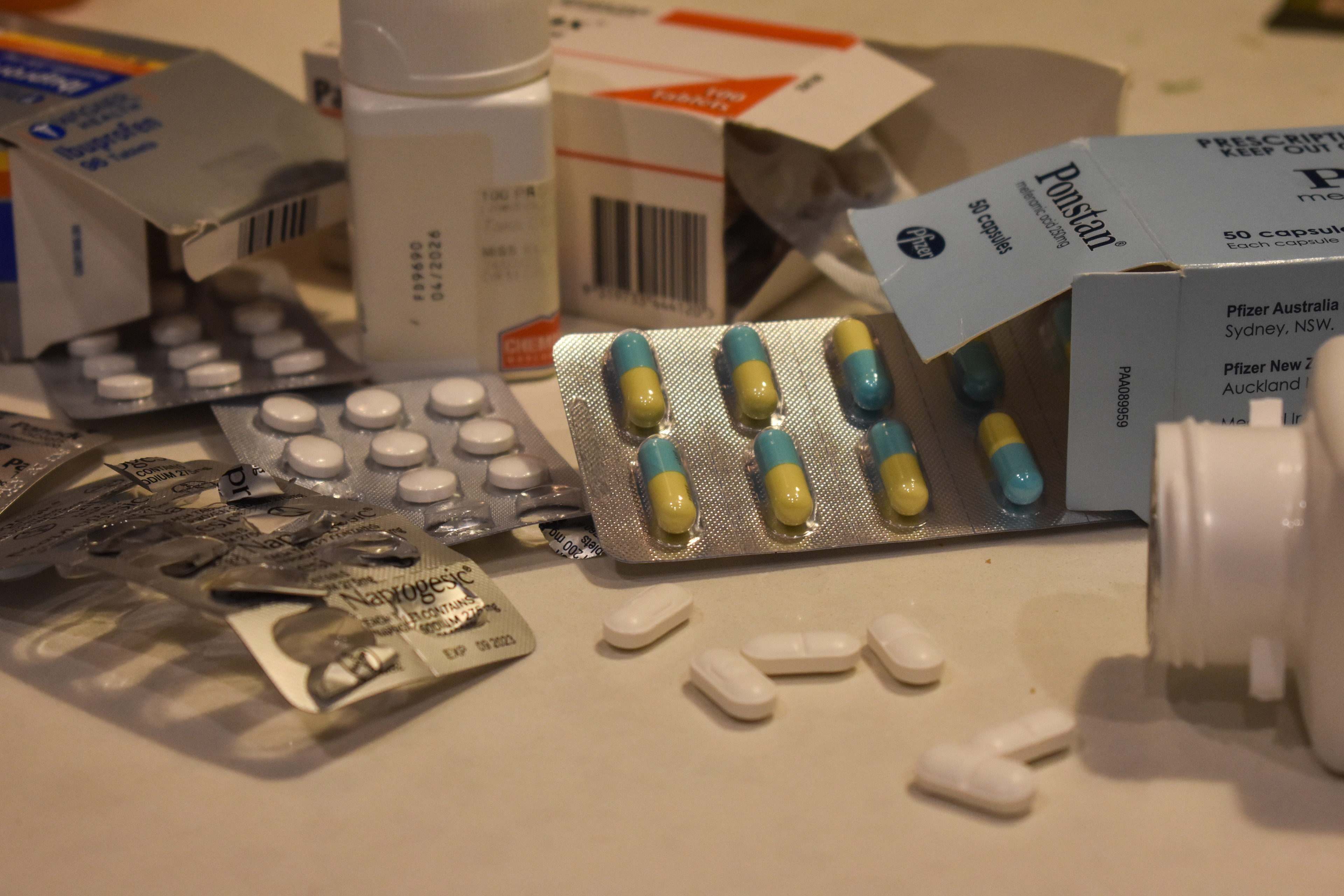
Medication is one of the ways people try to manage symptoms. Photo: Ella Kinrade
Medicare is a big factor of how these sorts of clinics run, because, like many allied health services, they are often ineligible for any Medicare benefits.
Ms Campbell hopes that the potential restructure of Medicare will provide more access for chronic illness, “if we can acknowledge the value of nurses and nurse specialist roles that are adding value to chronic disease management, that would be a huge step. And then expanding access to allied health.”
Unfortunately, the lack of capacity has meant supports are limited, “so making that available to people and not expecting them to self-fund that.”
Ideally if symptoms aren’t managed, “you should have a specialist review within three months, so that's another big barrier. And then, of course, the other key barriers are lack of access to excision in Australia and all other financial stuff around endometriosis requiring multidisciplinary team management (MDT).”
Accessing MDT clinics can be a two year wait, which can significantly exacerbate symptoms. Ms Campbell also explained that these clinics are often “pain focused, not endo focused”, which makes it difficult for patients to receive the right support.
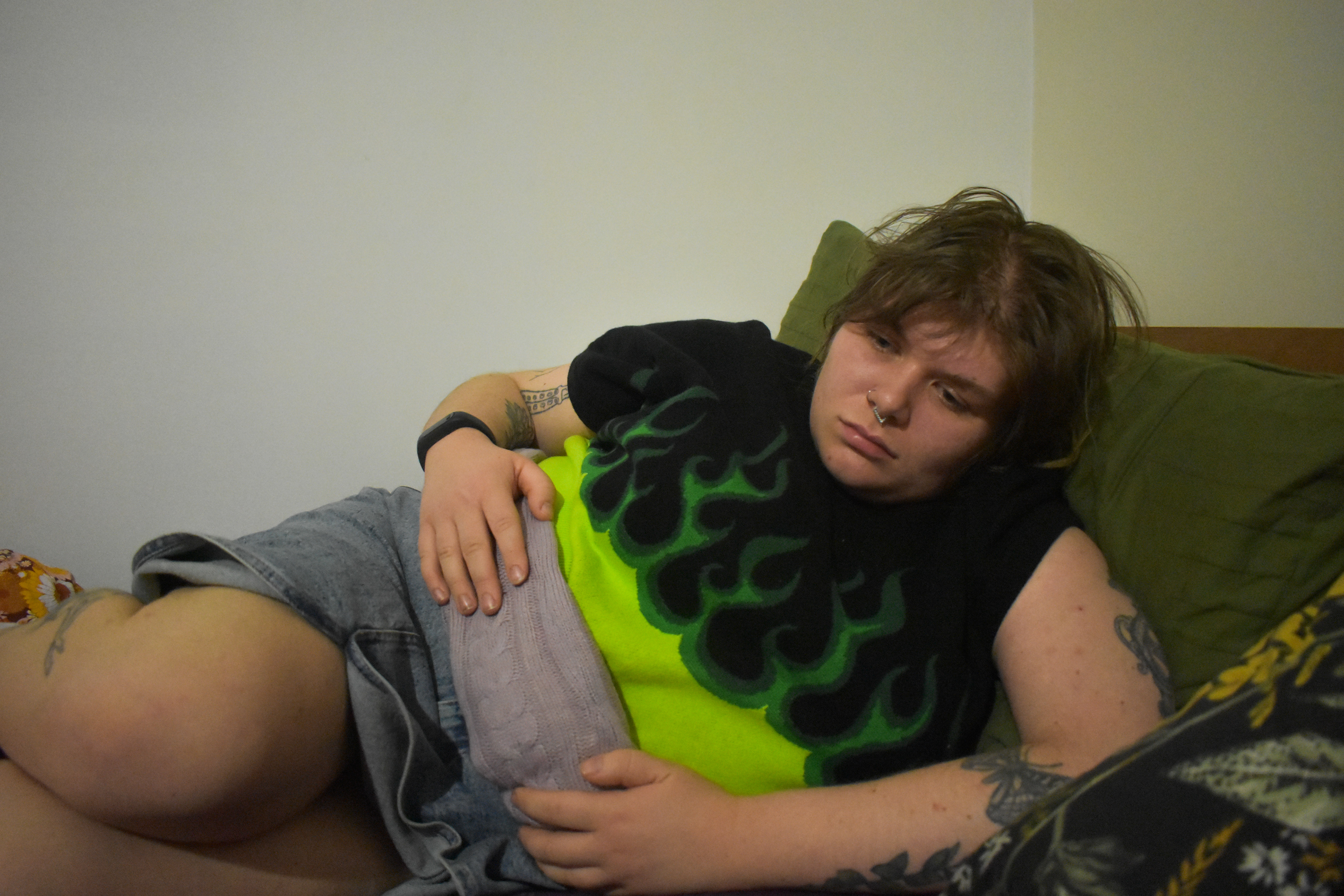
These diseases are debilitating and can severely impact people’s everyday activities. Photo: Ella Kinrade.
“It can affect every part of someone's life.”
“Hopefully, one day we find out what the cause is and get some genuine treatments for endo that don't currently exist aside from surgery.” Ms Campbell said.
Being able to identify why this is happening or work on early treatments “would be life changing for so many people.” Ms Campbell said.
Endometriosis is not just a bad period.
Ruby Bottomley explains her everyday challenges and difficulty getting diagnosed with endometriosis. Her creativity is what keeps her going and how she shares her experience with others.
We Know Our Bodies
Although endometriosis is a common and painful disease, people are often dismissed and struggle with quality of life. I spoke with Isabella about her experience and the importance of creativity.
Media Production
I spent twelve weeks creating a multimedia journalism piece on my chosen topic of challenges with endometriosis and adenomyosis. I navigated finding people to interview, while being considerate of it being a difficult topic to discuss. There were many challenges, but it was valuable to smoothly combine each aspect together, while also finding what to improve on. The audio, written & video component were graded highly and my written piece was published in the university publication.